Trusted by 10,000+ families across Delhi NCR Call: +91 87507 73438
Stroke Care

How to Care for Stroke Patients at Home

Recovery after a stroke is won at home, day by day. Here is how families can provide safe, effective stroke patient care — and when to bring in a nurse.
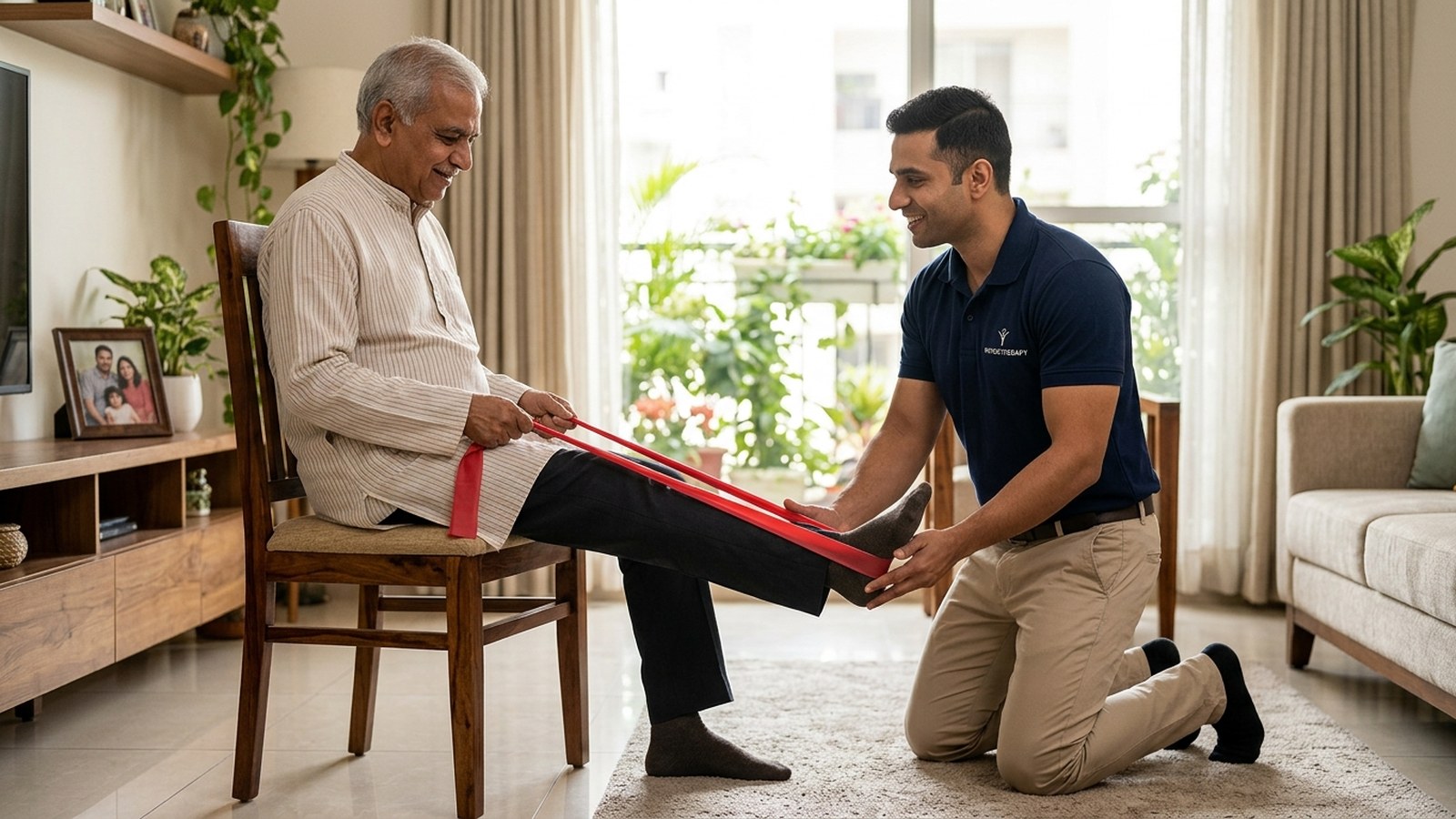
Physiotherapist helping a stroke patient with mobility at home

Key takeaways

  • The first 3–6 months are critical for rehabilitation — consistent physiotherapy drives the best stroke patient care outcomes.
  • Swallowing problems, falls, and missed blood-thinner doses are the biggest home risks.
  • Preventing a second stroke means tight control of blood pressure, sugar, and medication.

Understanding stroke recovery

A stroke can affect movement, speech, swallowing, vision, memory, and mood — in any combination. Recovery is gradual and most rapid in the first three to six months, though improvement can continue for years. The family's role in stroke patient care is to keep the patient safe, support daily rehabilitation, and prevent a second stroke.

Mobility, positioning, and preventing falls

Swallowing and nutrition safety

Many stroke patients have dysphagia (difficulty swallowing), which risks choking and aspiration pneumonia — a leading cause of post-stroke complications. Feed the patient sitting upright, use the texture the doctor advises (often soft or thickened), go slowly, and keep them upright for 30 minutes after meals. If a feeding tube is in place, it needs trained nursing care.

Medication and preventing a second stroke

Stroke survivors are at high risk of another stroke. This is where discipline saves lives:

Speech, mood, and emotional support

Communication difficulty and post-stroke depression are common and under-recognised. Be patient, give time to respond, celebrate small wins, and watch for withdrawal or low mood — it is treatable and worth raising with the doctor.

When a home nurse makes the difference

If the patient has a feeding tube, catheter, swallowing difficulty, limited mobility, or needs injections and close monitoring, a trained home nurse keeps recovery on track and prevents complications. CareShield can also coordinate physiotherapy at home. Book stroke home care and we will build a plan around the patient's deficits.

Frequently asked questions

How long does stroke recovery take at home?
Most recovery happens in the first 3–6 months, but progress can continue for years with consistent therapy. The pace depends on stroke severity and how regularly rehabilitation is done.
What are the biggest risks when caring for a stroke patient at home?
Choking from swallowing problems, falls, bed sores from immobility, missed medication leading to a second stroke, and post-stroke depression. All can be managed with the right routine and support.
Can physiotherapy be done at home after a stroke?
Yes. Home physiotherapy is highly effective for stroke rehabilitation. CareShield can arrange a physiotherapist and a nurse to support daily exercises safely.
How do I prevent a second stroke?
Strict medication adherence (especially blood thinners and BP medicines), controlling blood pressure and diabetes, a low-salt diet, no smoking, and regular monitoring. A home nurse helps ensure none of this slips.

People also ask about home healthcare in Delhi NCR

How can NRI families arrange elderly care at home in Delhi for their parents?
NRI families can easily arrange professional elderly care for their parents in Delhi NCR by contacting CareShield. We provide police-verified nurses and attendants who offer dedicated support, including daily WhatsApp updates to keep families abroad informed. Our services are available 24/7, ensuring continuous, reliable care for ageing parents, whether for general support or specific conditions like post-stroke recovery.
How do I arrange stroke patient care at home in Delhi?
Arranging stroke patient care at home in Delhi is straightforward with CareShield. Contact us for a personalised care plan, and we can assign a police-verified nurse or attendant within 2-4 hours. Our trained professionals assist with mobility, medication management, and daily living. Critical Care Nursing is available for ₹2,550 for 24 hours, or a GDA for ₹1,600 for 24 hours, ensuring comprehensive recovery support across Delhi NCR.
What does an ICU setup at home in Delhi include?
An ICU setup at home in Delhi typically includes specialised medical equipment and round-the-clock Critical Care Nursing. CareShield provides experienced Critical Care Nurses at ₹2,550 for 24 hours, managing complex needs such as IV infusions (+₹200 per hour), Ryle's tube insertion (+₹200), and urinary catheterisation (+₹299). A Doctor at Home visit is also available for ₹1,499, ensuring comprehensive monitoring and care for critical patients.
Is physiotherapy at home in Delhi available for stroke patients?
Yes, physiotherapy at home is widely available in Delhi for stroke patients to aid recovery and mobility. While CareShield focuses on expert nursing and attendant care, our trained GDAs and nurses can support patients with their prescribed exercises, mobility assistance, and daily personal care needs after a stroke. This ensures a consistent routine, allowing families to coordinate physiotherapy with other essential home care effectively.

Caring for a stroke survivor at home?

CareShield provides verified, trained nurses and caregivers at home across Delhi NCR — available 24/7, with a free replacement guarantee and daily WhatsApp updates.

Book a Free Consultation Call +91 87507 73438